Plaster cladding – also known as stucco or render – has been used as a finishing material in properties for centuries. It’s the perfect finish for any wall and façade, indoors and out. Nonetheless, like anything in construction, there’s always pros and cons to plaster cladding, especially when we consider how innovative other cladding solutions are at the moment!
Find out more, below.
Pros
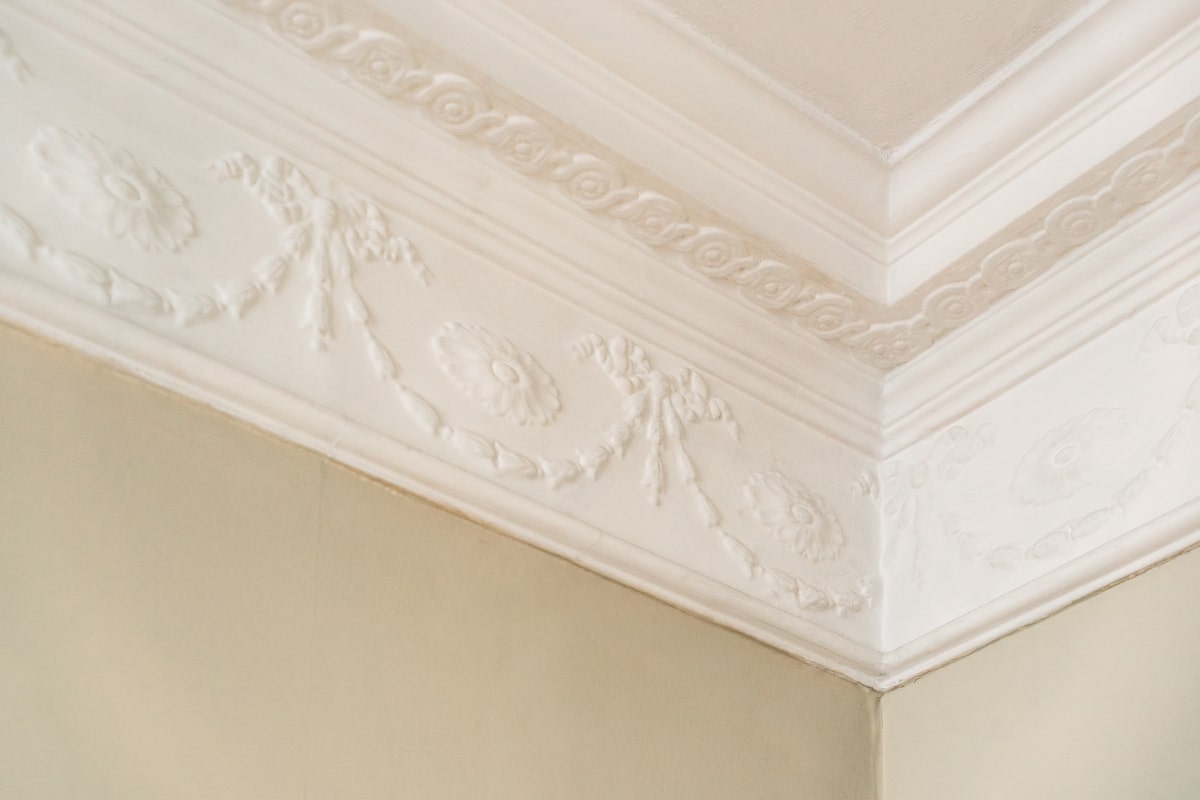
- Aesthetic Appeal: Plaster cladding is versatile, and can create a number of aesthetically appealing finishes on your walls. It can be smooth, textured, patterned, tinted or painted; the options for customisation are almost limitless.
- Weather Resistance: When used on a property’s façade, plaster cladding provides expert protection against the tough elements outside; rain, wind, sleet, snow and strong UV rays included. Your building will look brand-new for much longer.
- Insulation: Depending on the thickness of the plaster cladding used, it can be effective at bolstering your property’s thermal insulation when used indoors. It regulates the temperature of your property, and improves your overall energy efficiency.
Cons
- Cost: Compared to other finishing materials, the cost of plaster cladding can swiftly add up, particularly if you’d like intricate designs or more specialised techniques to be used. Always contract with a reputable plasterer, like we at Quality Plasterers in New Zealand, to be given an affordable and appropriate quote.
- Cracking: Occasionally, plaster cladding is prone to cracking if the substrate beneath moves over time. To resolve this, periodic repairs are required, which is an additional expense. But, depending on the quality of your installation, cracking can – more often than not – be avoided.
- Complex Installation: Applying plaster cladding requires a high level of experience (that can be difficult to find) as the risks of improper installation are manifold. Bad application causes cracking, poor adhesion and moisture problems, all of which will degrade your property over time.
Contact Quality Plasterers for plaster cladding of a high quality and lasting finish. As expert plasterers, we bring your property up to scratch before the decoration stage so your project can progress as quickly as possible.
Frequently Asked Questions
1. What is plaster cladding?
Plaster cladding is a finishing material for walls and façades. This also calls it stucco or render.
You can use it indoors or outdoors, depending on your project.
2. Is plaster cladding the same as stucco cladding?
Yes, plaster cladding is “also known as stucco or render”.
So, in this context, these terms usually mean the same type of wall finish.
3. What are the pros and cons of plaster cladding?
Plaster cladding looks good, resists weather, and can help with insulation if it’s thick enough.
Also, some downsides, like higher cost, cracking if the base moves, and tricky installation, can cause poor adhesion or moisture issues if not done well.
4. What is stucco cladding on a house?
Stucco cladding is just another name for plaster cladding, and it’s used to finish walls and façades.
You can make it smooth, textured, patterned, tinted, or painted.
5. What problems can occur with stucco cladding in NZ?
Stucco or plaster cladding can crack if the material underneath shifts over time. If installation is poor, it can lead to cracking, weak adhesion, and moisture problems.