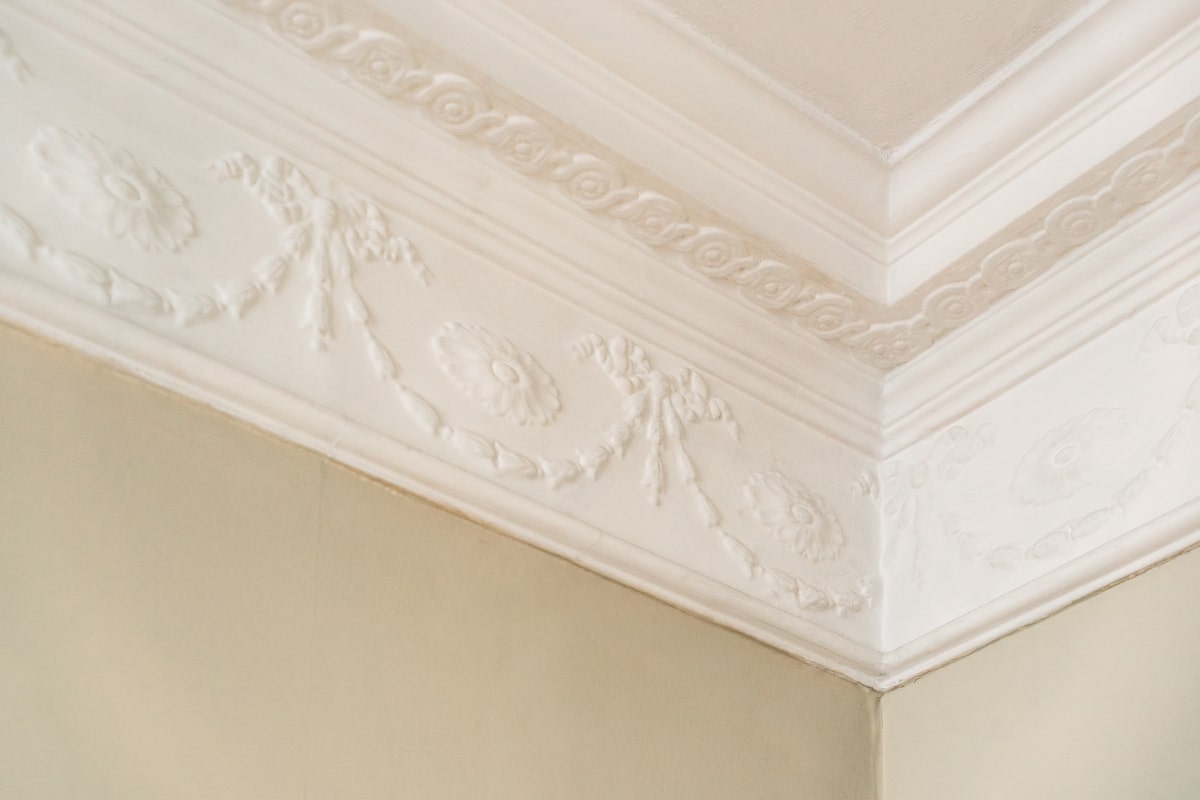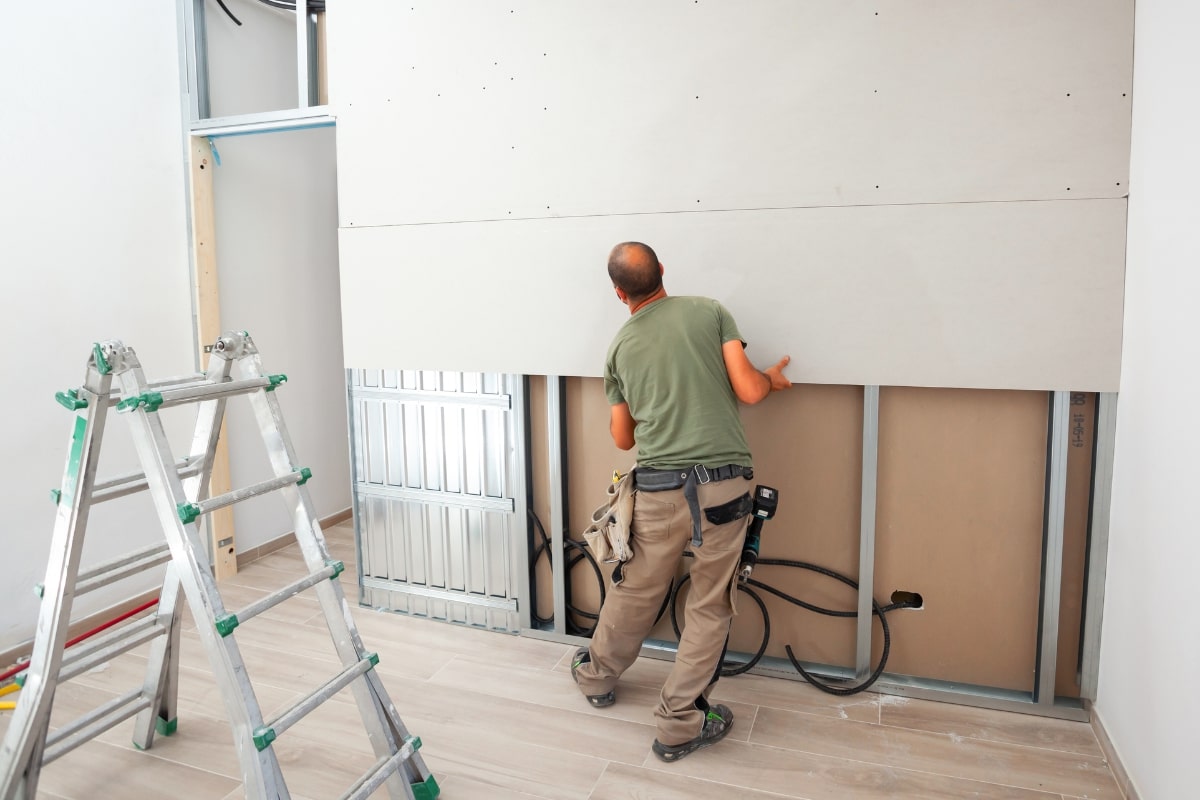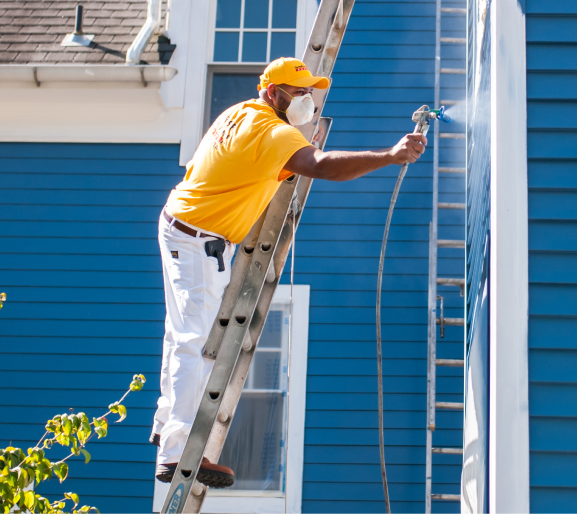


Cladding is the layer of material used to cover the outside of your house. It creates a layer of insulation, protecting your home from the weather throughout the year and keeping you warm during the winter.
If it’s been a while since you’ve repaired or replaced your cladding, you may discover that it’s beginning to show signs of wear and tear. But how can you tell if there’s a problem, and what risk factors do you need to be aware of?
Whether your home has plaster cladding or another material, here are the three biggest signs that you need to be aware of.
Your home will undoubtedly feel colder at certain times of the year – particularly during the winter. But a significant drop in temperature (that persists even when you’ve got the heating on) can mean bad news for your cladding. If your home isn’t feeling as insulated as it used to, holes in your cladding could be to blame. It’s important to get this fixed as soon as you notice it, as insulation issues can lead to your energy bills going up.
One of the biggest signs that your cladding needs to be repaired is visible damage. You may have noticed holes or cracks, both of which are warnings that you need to have the cladding fixed before it gets worse.
Holes can be caused by a number of factors, from the general wear and tear that comes with age and weather exposure, as well as more immediate causes such pests. Rats and mice, for example, can cause serious problems, so if you’ve recently had to get rid of these unwanted guests, it’s a good idea to take a look at your cladding and see if it needs to be repaired.
Holes and cracks aren’t the only type of damage you need to watch out for. Older cladding can be warped by prolonged exposure to the weather, as well as display signs of discolouration. This is true for a number of different types of cladding, including wood, vinyl and other materials.
Have you noticed any of the three biggest warning signs that your cladding needs repairing? Quality Plasterers are here to help. Our plaster cladding services can fix damaged cladding and make sure your home is insulated once more. Get in touch with us today and find out more about what we can do for your home.
The main early warning signs are a colder house, visible damage, and warping or discolouration.
Typical signs include:
If you notice any of these, it is a good time to have the cladding checked and repaired before the damage spreads.
Yes, damaged or worn cladding can make your home feel cold even when the heating is on.
Holes or gaps in the cladding reduce insulation, so warm air escapes more easily. This can leave rooms feeling chilly and push your energy bills higher over time. If your home suddenly feels less insulated than before, it is worth checking the cladding for damage.
Yes, cracks and holes in cladding should be assessed and repaired as soon as possible.
Visible damage is one of the biggest signs that cladding needs work. Holes and cracks can let moisture in and may allow pests such as rats or mice to get into the structure. Fixing these issues early helps prevent bigger problems and more costly repairs later.
Cladding usually warps or discolours because of age and long-term weather exposure.
Wind, rain, sun and temperature changes slowly affect materials such as wood and vinyl. Over time, this can lead to panels bending out of shape and surfaces fading or staining. Older cladding that has faced years of weather is especially likely to show these signs and may need repair or replacement.