

We can plaster Auckland properties by either undertaking solid plastering or installing plasterboard. You might be wondering which of these approaches would be suitable for your home or workplace if there’s a wall or ceiling requiring plastering before painting or decorating.
When people mention ‘plastering’, they are often referring to solid plastering specifically. ‘Solid plastering’ is also known as ‘wet plastering’, as it involves applying a wet material known as plaster. This material can then be left to dry and harden over four weeks.
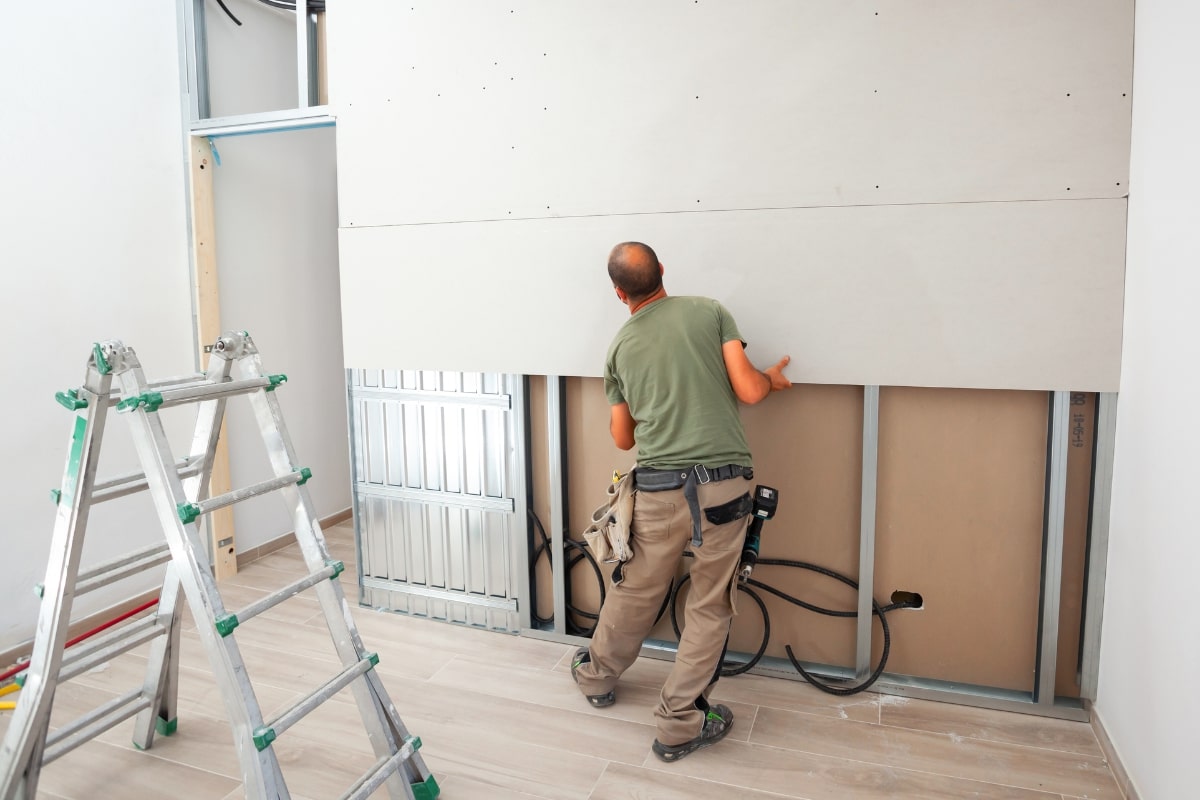
On the other hand, plasterboarding involves affixing flat, lightweight plaster panels to the wall or ceiling. Following this, jointing compound is used to fill in the joints and screw holes, creating a level surface.
For the majority of plastering jobs, plasterboarding would suffice. A plasterboard — a wallboard panel sandwiching gypsum plaster between two paper layers — comes readymade and is easy to cut in line with dimensions of the space where it will be fitted.
Plasterboard is often the best option when time is of the essence, as the gypsum board can be put in place more quickly than wet plaster.
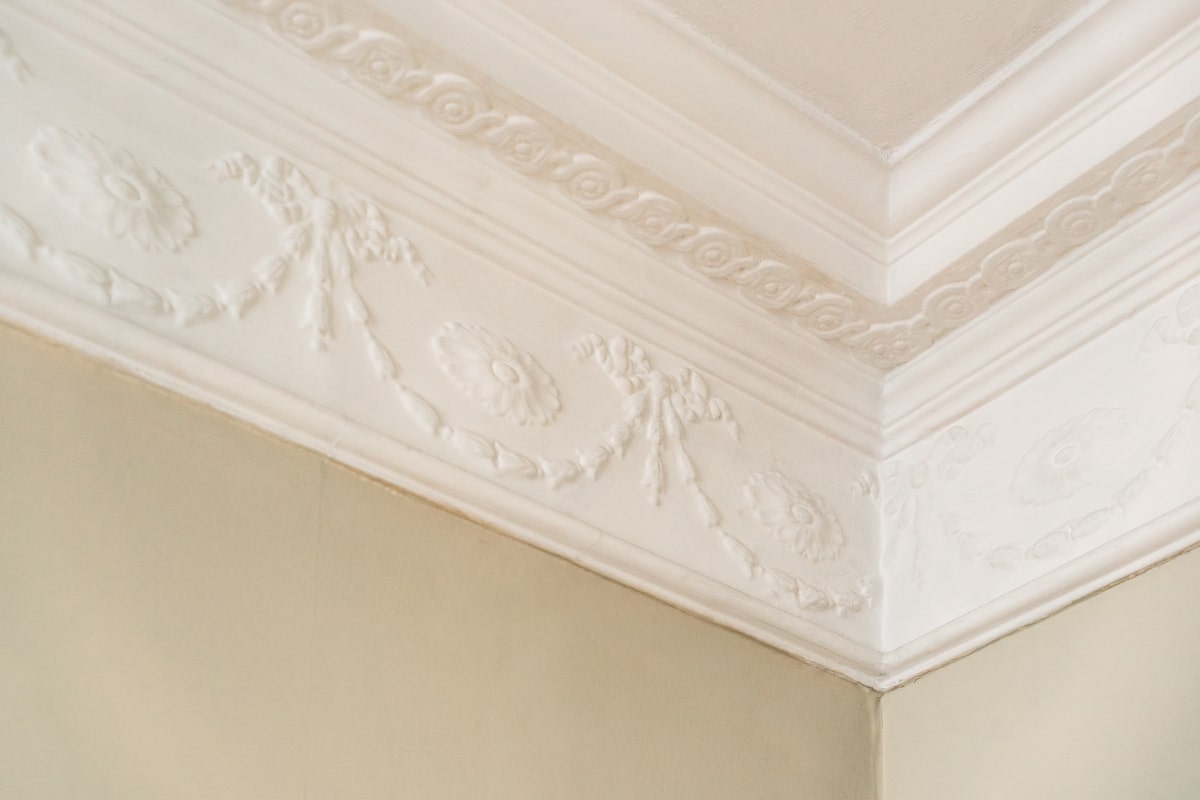
However, because wet plaster is, well, wet, it can be carefully moulded to ensure a smooth finish even on curved walls or ceilings. The pliability of wet plaster also makes it ideal for when you want to give your building an array of decorative or ornamental features in more elaborate designs.
In summary, wet plaster is generally considered a ‘higher-end’ choice compared to plasterboard, particularly because the former, once dry, tends to be more physically durable. Plasterboard, being lightweight, may be more susceptible to water or fire damage unless specifically engineered to resist such incidents.
If so, feel free to contact our skilled plasterers for expert advice. We can carry out solid plastering or plasterboarding work to a high standard in any residential, commercial or industrial building you own in Auckland. We offer free quotes over the phone on 0800 PLASTA.
Solid plastering means applying wet plaster directly onto the wall or ceiling. Plasterboard involves attaching flat, lightweight boards to the framing, then covering the joins and screw holes with a jointing compound.
Solid plaster, or wet plastering, is applied as a wet mix and takes several weeks to fully harden. Plasterboard panels are pre-made, with gypsum plaster between paper layers, and can be cut to fit the space needed.
Once fully dried, solid plaster is usually more durable than standard plasterboard.
The article points out that wet plaster is considered a higher-end option because it is more physically hard-wearing. Plasterboard is lighter, but it can be more easily damaged by water or fire unless you use a specially engineered type.
Yes, plasterboard is generally faster to install than solid plaster.
The boards are pre-made and easy to cut, so they can be installed quickly on most jobs. Wet solid plaster must be applied on site and needs time to dry and harden, which can take up to four weeks.
Both methods can create a smooth finish, but solid plaster makes it possible to achieve more detailed and curved designs.
Wet plaster can be shaped to look seamless, even on curved walls or ceilings, and works well for decorative or ornamental features. Plasterboard still gives a good paint-ready surface and is suitable for most standard interior jobs where speed and cost are more important than detailed designs.