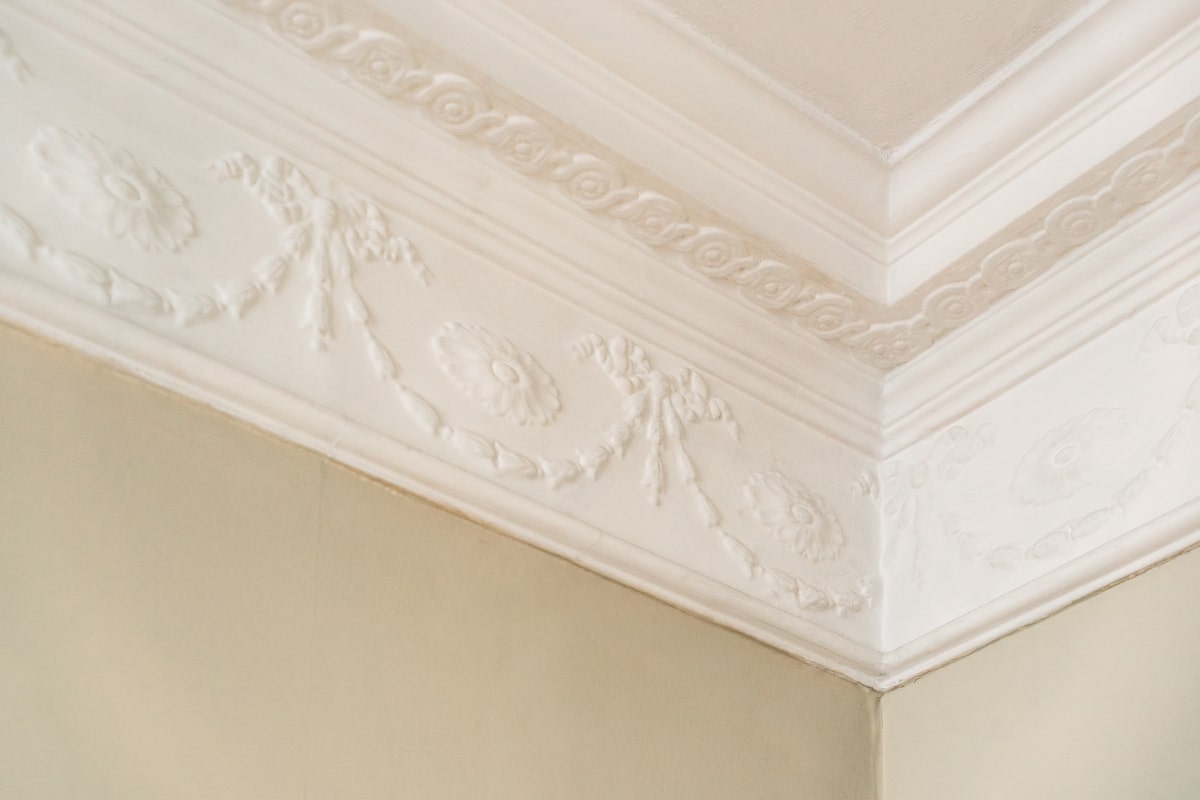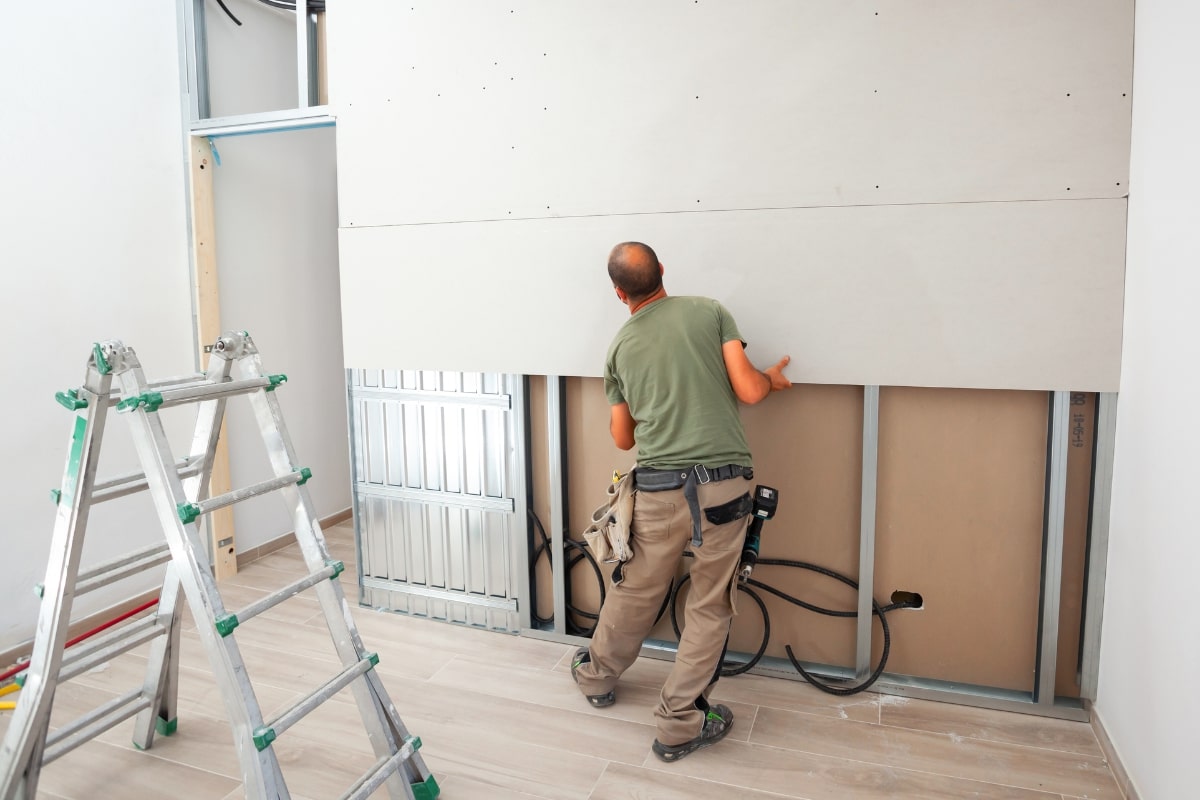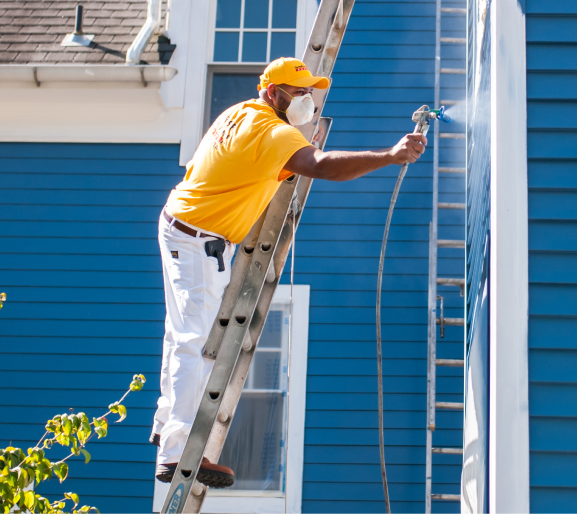


What is exterior plaster? This is basically a coating that can be applied to an outside surface of a building in order to provide a smooth finish as well as protection against the elements.
Below, we go into detail about various exterior plaster options we offer — and how they differ visually as well as in terms of practicality.
This type of plaster contains not only cement but also sand and water. The chosen ratio of these ingredients can depend on the sought-after finish and strength.
This resulting mixture will, once set, provide a high level of moisture resistance — no small boon in Auckland, where rain can often fall heavily.
If your building is relatively old, you can rest assured that lime plaster would be able to provide its external walls with a breathability that allows water trapped in them to evaporate. All of this, and lime plaster also comes with an organic and traditional appearance that looks ‘just right’ for period properties.
Acrylic plaster is a synthetic material — and, as a result, available in a vast range of colours and textures. Also, as this plaster is a little more physically flexible than conventional plasters, it outclasses them when it comes to resistance to cracking.
You also don’t have to fear the possibility of acrylic plasters fading quickly, given the UV resistance built into them.
This is not often applied to Auckland exteriors, and for good reason: it isn’t inherently resistant to water. Though gypsum plasters do set quickly, they ought to be reserved for protected outdoor areas. When undertaking outdoor application of a gypsum plaster, we always pair it with a protective paint or sealant.
When laying a stucco plaster, we usually create three coats: the scratch coat, the fine coat (otherwise known as the brown coat) and the finishing coat (also called the white coat). All of that work is certainly worth it, however — as the finish left at the end of it all is excellent.
We are able to complete exterior plaster jobs to a high standard at a wide range of residential and commercial properties in Auckland. To learn about the finishes — including Sgraffito, sand finish and bag wash — that can be chosen for these jobs, too, please email [email protected].
1. What are the main types of exterior plaster finishes available in New Zealand?
In New Zealand, the main exterior plaster types are cement, lime, acrylic, gypsum and stucco plaster.
You can usually choose from:
On top of this, you can pick different finishes, such as sand finish, bag wash or Sgraffito, to change the final look.
2. Which type of exterior plaster is best for a wet or coastal climate?
For wet or coastal areas, cement or acrylic exterior plaster often works well.
Gypsum plaster is not ideal in exposed, wet locations, so it suits only protected outdoor areas with extra sealing.
For coastal homes, the right system also depends on the substrate, wind exposure and maintenance plan, so it is wise to get project-specific advice.
3. What is the difference between cement, acrylic, and stucco exterior plaster?
Cement, acrylic and stucco plaster differ in materials, flexibility and how they are applied.
Cement and stucco suit many standard homes and commercial buildings, while acrylic is popular for modern looks and higher movement areas.
4. Which exterior plaster type is the most durable and crack-resistant?
For crack resistance, acrylic exterior plaster usually performs better than more rigid options.
Its flexibility helps it cope with small movements in the building without showing lines as quickly.
Cement and stucco plasters are also very durable when applied and maintained correctly, but they are stiffer and may show cracks sooner if movement is high.
The most suitable choice for your project depends on the building age, structure, climate and how much maintenance you are comfortable with.
5. What is exterior plaster?
Exterior plaster is a coating applied to the outside surface of a building to give a smooth finish and protect the walls from the elements.
6. What’s the difference between external plaster and outdoor plaster?
There is no difference. “Exterior plaster” refers to plaster applied to outside surfaces.
7. What types of exterior plaster finishes are available?
We work with several exterior plaster types, including: cement plaster, lime plaster, acrylic plaster, gypsum plaster (for protected outdoor areas), and stucco plaster.
The page also mentions finish styles such as Sgraffito, sand finish, and bag wash.
8. What is cement plaster for exterior walls?
Cement plaster is made from cement, sand, and water, with the ratio adjusted for the finish and strength you want. Once set, it provides strong moisture resistance, which suits wet conditions.
9. Which plaster is best for an exterior house?
There is no “best” exterior plaster, because the right choice depends on the look you want and how the wall needs to perform.
For example, cement plaster focuses on moisture resistance, lime plaster suits older buildings that need breathability, and acrylic plaster offers more colour and texture options with better crack resistance.
10. Is lime plaster suitable for exterior walls?
Yes, lime plaster is suitable for external walls, especially on older buildings, because it supports breathability and lets trapped water evaporate. It also notes lime plaster suits period properties due to its traditional look.