

Thinking about plaster cladding for your next build or reclad? It’s one of the most popular exterior finishes on Auckland homes, and it’s easy to see why. But like any cladding choice, it comes with a few trade-offs worth knowing before you commit.
Below, we’ve laid out the real plaster cladding benefits, the honest downsides, and where it fits best, so you can make the call with your eyes open. If you’d rather talk it through first, our residential plastering team can walk you through what it would look like on your place specifically.
Plaster cladding, also known as stucco or render, has been used to finish walls and façades for centuries, both indoors and out. In New Zealand, you’ll usually hear all three terms used interchangeably to describe the same type of finish.
If you want the full breakdown of how the trades themselves differ, we’ve covered the difference between plastering and rendering separately.
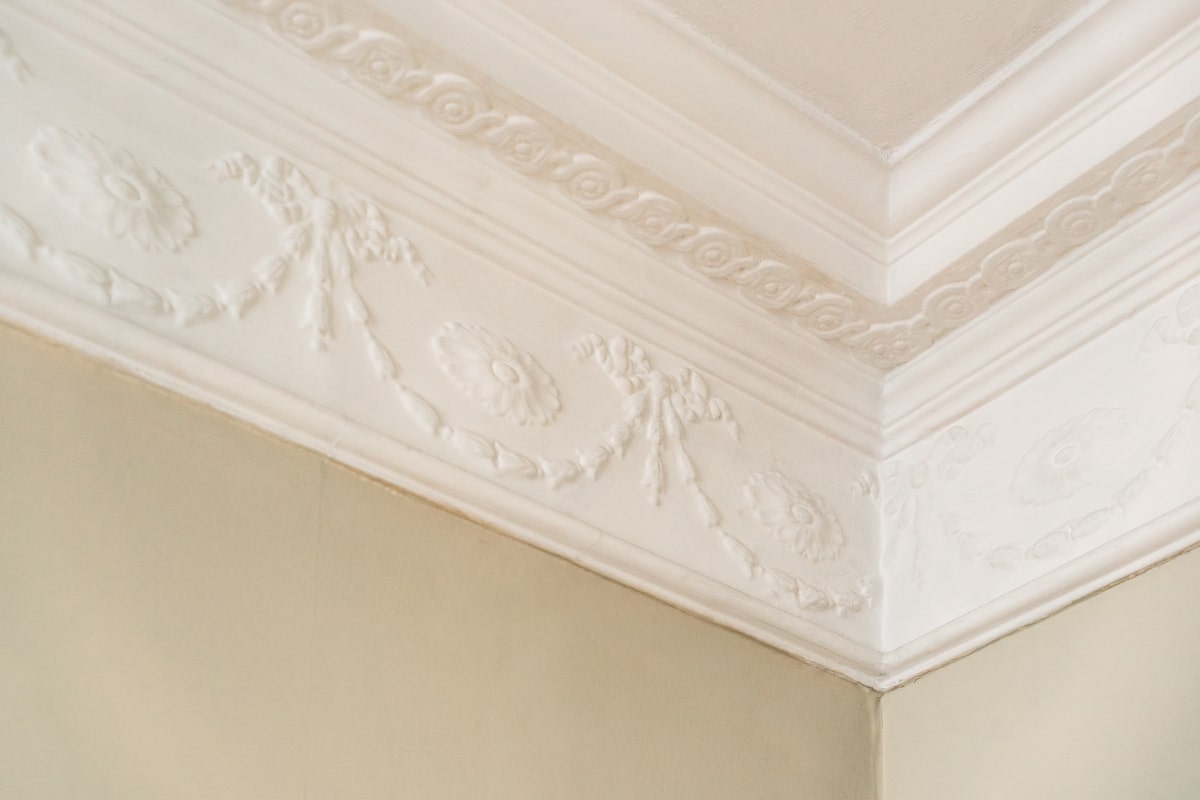
Plaster cladding is one of the most flexible finishes you can choose. It can be applied smooth, textured, patterned, tinted, or painted, so it suits everything from a traditional villa to a clean contemporary build. Applied well, it gives an even, cohesive finish that lifts the whole look of a property.
Panel-based plaster cladding systems use pre-fabricated materials rather than sand and cement mixed on site, reducing labour time and waste. That typically makes it a more budget-friendly route to a premium finish than fully traditional solid plastering.
Plaster cladding durability is one of the biggest draws for Auckland homeowners. A properly installed system holds up well against our share of rain, wind and UV exposure over summer, and once it’s sealed, it doesn’t ask for much beyond a periodic clean. If cracking does turn up over time, it’s a straightforward repair for an experienced plasterer, rather than a major job.
Plaster cladding insulation performance is another practical win. It helps regulate indoor temperature, keeping heat in over winter and out over summer, which takes some pressure off your heating and cooling costs. Its dense composition also reduces external noise, which matters if you’re on a busier street or close to neighbouring properties.
Plaster cladding also adds a layer of reinforcement to exterior walls, and its fire-resistant properties can slow the spread of flames if the worst happens, buying valuable time and potentially helping with insurance considerations.
A well-maintained plaster finish can also lift a property’s kerb appeal, which matters if resale is ever on your radar.
Weighing up the plaster cladding pros and cons really comes down to a handful of practical trade-offs:
A note on watertightness: older, direct-fixed monolithic plaster systems from the late 1980s through the early 2000s are behind New Zealand’s leaky-home reputation, largely because they were built without a drained cavity. Modern plaster cladding systems are built over a cavity and installed to current Building Code requirements, which is a different proposition altogether.
If you’re buying an older plastered home, it’s worth having someone who knows what to look for check it. If you’re building or recladding new, a properly installed cavity system shouldn’t carry that risk.
Plaster cladding tends to suit homeowners who want a modern, seamless exterior, are building new or doing a full reclad with a proper cavity system, and want a bit of extra noise reduction from a busy road or close neighbours. It’s less of a fit if the budget is tight or the substrate underneath is already unstable, since either of those will work against the finish over time.
Not if it’s a modern system. The risk sits with older, cavity-less monolithic plaster from the 1990s and early 2000s. A current system, installed over a drained cavity and to Building Code, is a different build entirely.
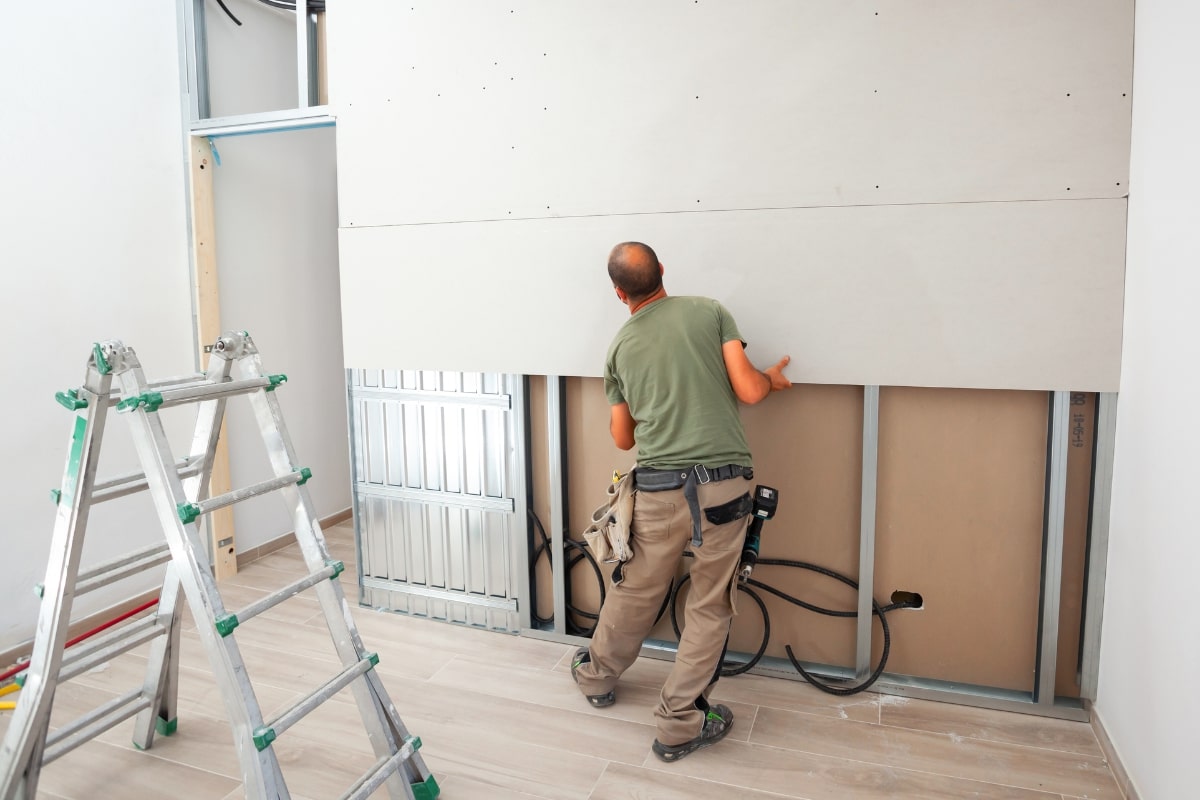
Plaster cladding is a cement-based system built for the outside of a home, offering insulation and structural strength that plasterboard, an internal gypsum product, simply isn’t designed for.
If you’re finishing an interior wall instead, plasterboard is the right call, and we’ve covered how to get a smooth plasterboard finish separately. Compared with weatherboard or fibre cement, plaster cladding usually costs more upfront but gives you a smoother, more contemporary look that timber and board products can’t replicate as easily.
With proper installation and periodic maintenance, a quality plaster cladding system can last for decades. Cracking usually signals movement underneath rather than the plaster itself failing.
It’s another name for plaster cladding, a cement-based finish applied to walls and façades, available smooth, textured, patterned, tinted, or painted. This versatility is among the strongest plaster cladding benefits.
If you’re weighing up plaster cladding for your Auckland property, the team at Quality Plasterers can talk you through what’s realistic for your site, budget, and timeframe. Get in touch today for a free, no-obligation quote.